the postgrad overview
- Programmes Offered: BA Honours in Contemporary Art | BA Honours in Visual Communication
- NQF Level: Level 8 (SAQA Registered)
- Duration: 1 Year Full-Time or 2 Years Part-Time
- Term: Commences early February; concludes late November
- Application Deadline: 30 November of the prior year
The global creative economy is undergoing a massive transformation. As baseline digital tools become automated, the industry’s demand has shifted decisively away from pure technical execution toward advanced conceptual thinking, critical design strategies, and research-led innovation.
For ambitious creatives looking to step into leadership roles, launch independent ventures, or enter global academia, an undergraduate degree is no longer the final destination.
When transitioning from undergraduate studies to the professional arena, many students ask a fundamental question: Is a BA Honours better than a BA?
While a standard Bachelor of Arts (BA) provides essential foundational skills and disciplinary boundaries, a Bachelor of Arts Honours degree can accelerate your career.
An Honours qualification shifts your trajectory from a practitioner who executes briefs to a strategic thinker who defines them. It deepens your research capabilities, expands your creative autonomy, and refines your personal voice, giving you an elite competitive edge and positioning you as a highly skilled, in-demand specialist.
By immersing students in a rigorous, practice-based research environment, our programmes produce articulate, resilient, and nuanced professionals
Who qualifies for an honours degree?
Admission into a specialised postgraduate environment is an intentional, selection-based process designed to maintain small, highly focused cohorts that benefit from individual-focused guidance. If you are assessing your academic alignment to determine who qualifies for an honours degree, CTCA maintains strict quality benchmarks:
- Academic baseline: Applicants must hold an appropriate Bachelor’s Degree or an appropriate Advanced Diploma at NQF Level 7 with a specialisation in a relevant creative practice.
- Grade benchmark: Candidates must have achieved an aggregate score of at least 65% at the exit level of their undergraduate qualification. Preference is directly allocated to students who obtained 65% or higher, specifically in their research-based subjects.
- Language and international validation: Full proficiency in English is required. Prospective students holding qualifications from international institutions must have their degrees translated into English and formally evaluated by the South African Qualifications Authority (SAQA) to validate NQF Level 7 equivalence before formal registration can be finalised.
- Alternative access (RPL): For seasoned professionals who lack a formal BA Degree but possess extensive, verifiable industry experience, CTCA offers an alternative pathway through a formal Recognition of Prior Learning (RPL) application.
Beyond these administrative parameters, candidates are carefully curated through a comprehensive Portfolio of Evidence, which must include a detailed letter of motivation, official academic transcripts, a sample of formal academic writing, and a curated portfolio of recent creative work demonstrating technical and conceptual proficiency in their chosen field of specialisation.
The postgraduate specialisations at CTCA
Selecting your postgraduate focus requires analysing your long-term career vision and asking yourself: Which subject is best for Honours in art or design? CTCA offers two distinct, SAQA-registered NQF Level 8 Honours pathways that accommodate various visual disciplines.
1. BA Honours in Contemporary Art (SAQA Reg: 119134 | NQF Level 8)
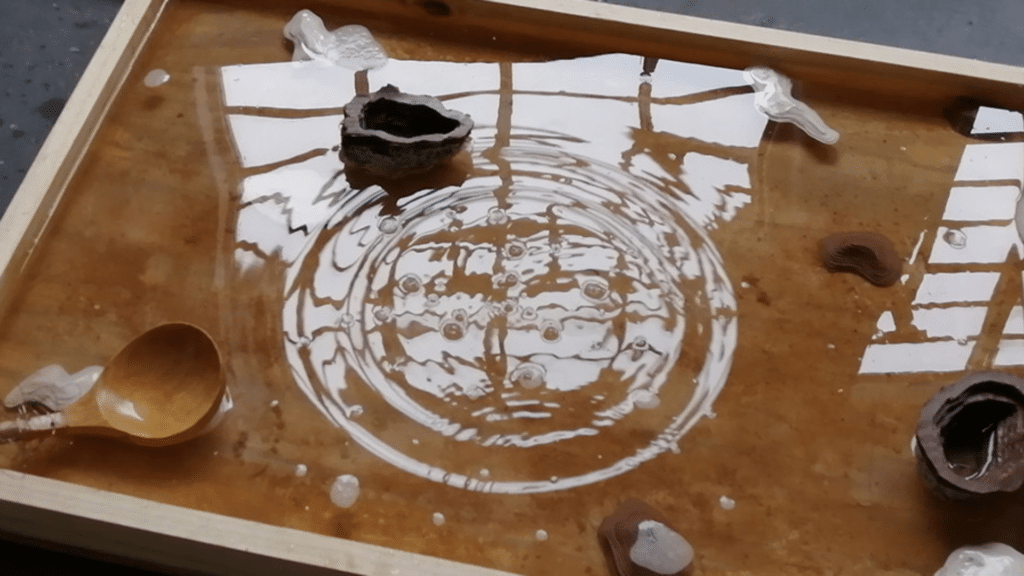
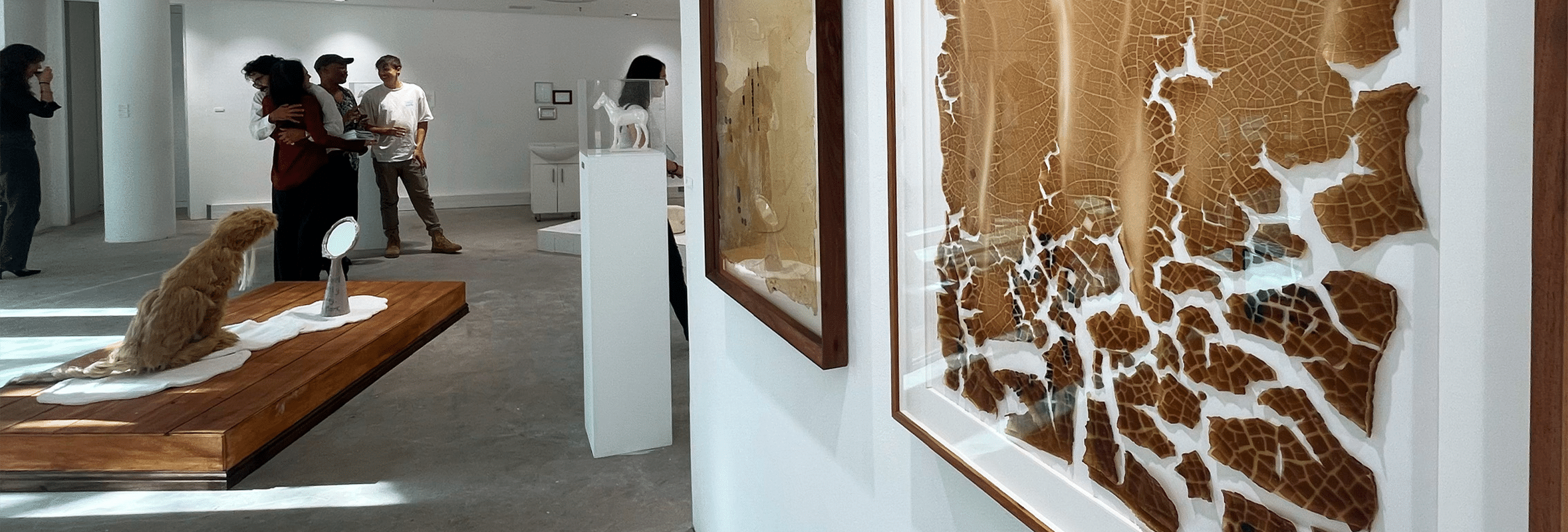
This full-time or part-time postgraduate programme is custom-built for artists striving to deepen their research-led artistic practices. This programme positions artists as critical cultural workers who directly contribute to the growth and evolution of contemporary art practice and discourse.
Rather than working within isolated silos, students complete a highly individualised, self-directed research project supported by dedicated academic supervisors. The degree culminates in a major public exhibition of an original, cohesive body of work.
artistic practice specialisations:
- painting
- sculpture
- print-making
- installation art
- video & digital art-making
- performance art
the professional horizon: what can you do with a Contemporary Art degree?
The answer lies in the rapid growth of the global creative economy, where critical thinking and conceptual innovation are at a premium. Contemporary art is no longer limited to commercial gallery walls or traditional studio practices. A postgraduate specialisation in this domain unlocks high-level, influential career tracks across global cultural, commercial, and academic sectors, including:
- professional fine artist & independent creator: Establishing a self-directed studio practice to produce, exhibit, and sell original bodies of work—such as painting, sculpture, performance, and installation art—to private collectors, global art fairs, public institutions, and corporate collections.
- curatorial practice & museum leadership: Designing, curating, and managing exhibitions for international museums, commercial galleries, cultural biennials, and private art foundations.
- digital art, media & installation design: Leveraging video art, digital fabrication, 3D spatial modelling, and immersive lighting or interactive tech installations for public arts initiatives, architectural projects, and the entertainment sector.
- art criticism, cultural research & higher education: Contributing as a published art writer, critic, or academic researcher, or pursuing Master’s-level studies to teach and mentor at tertiary institutions worldwide.
- art consultancy, advisory & collection management: Strategic advising for private clients, hotel developments, corporate collections, and investment funds seeking to acquire, appraise, and curate high-value contemporary art portfolios.
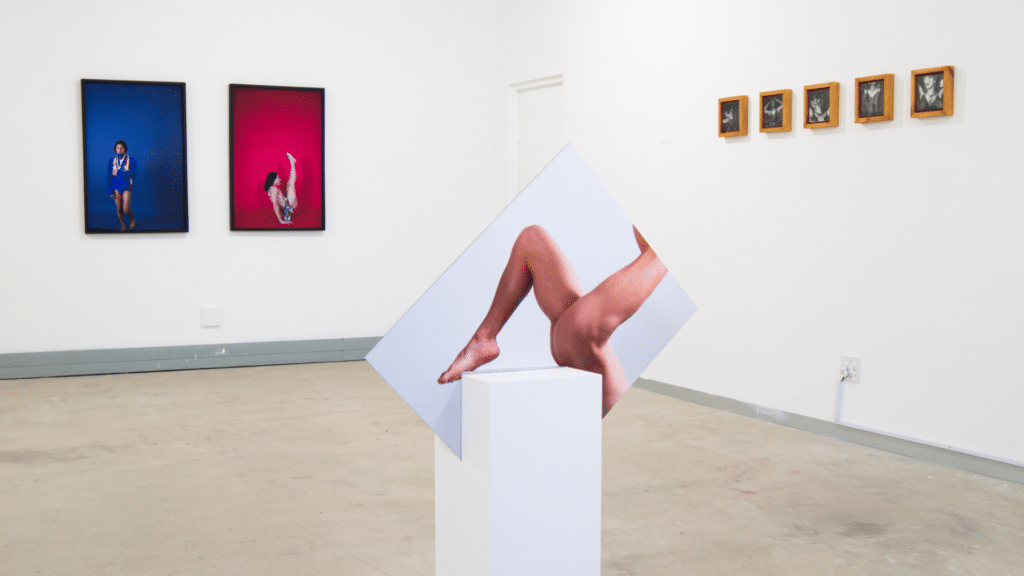
2. BA Honours in Visual Communication (SAQA Reg: 119135 | NQF Level 8)
Designed for graduates seeking to advance their critical design thinking, conceptual frameworks, and independent project execution, this programme is an incubator for design innovators.
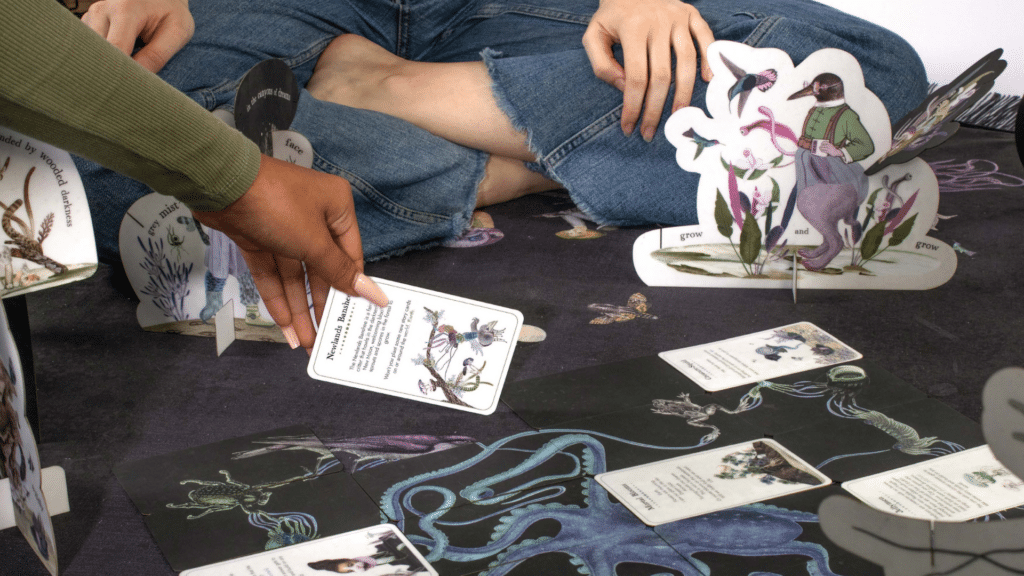
Students leverage practice-based research to interrogate pressing societal, economic, and visual problems, moving beyond traditional commercial parameters into advanced design discourse.
specialisation pathways within visual communication:
- communication design
- interaction (ui/ux) design
- 3d visualisation
- motion design & animation
- illustration
- photography
The professional horizon: what can you do with a visual communication degree?
Prospective students often look ahead to the job market and ask: What can I do with a visual communication degree, and is visual communication a good career for long-term sustainability?
The answer lies in the massive expansion of the digital, interactive, and experiential sectors. Visual communication is no longer confined to static print media. A postgraduate specialisation in this domain unlocks high-level, strategic career tracks across global industries, including:
- creative direction & art direction: leading cross-functional teams of designers, copywriters, and developers for global brands and agencies.
- ux/ui & interaction strategy: shaping how users navigate complex digital ecosystems, applications, and smart technologies.
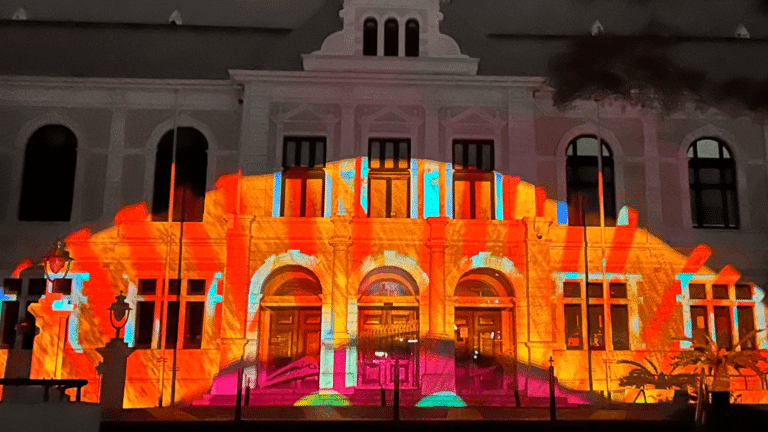
- motion design & 3d visualisation: crafting immersive experiential spaces, projection mapping, visual effects, and high-end digital animations for entertainment, architecture, and marketing media.
- independent creative entrepreneurship: launching specialised boutique studios, design consultancies, and original intellectual property ventures.
Common FAQ’s
Is a BA Hons better than a BA? Yes, a BA (Honours) degree is a higher qualification than a standard BA degree. While a standard BA is an undergraduate NQF Level 7 qualification focused on broad foundational training, a BA Hons is a postgraduate NQF Level 8 qualification.
An Honours degree focuses on practice-based research, deeper specialisation, and critical independent execution, making graduates more competitive for senior industry roles and directly qualifying them for Master’s degree applications.
Which subject is best for Honours in art or design? The best subject depends on your undergraduate background and future career goals. For fine artists looking to cultivate a deeply personal, research-driven studio practice, a BA Honours in Contemporary Art (specialising in painting, sculpture, installation, or digital art) is ideal.
For designers aiming to lead creative teams or innovate in tech spaces, a BA Honours in Visual Communication (specialising in interaction design, motion design, illustration, photography or art direction) is highly recommended.
How many years is a visual communication degree? A full-time undergraduate Bachelor of Arts in Visual Communication takes 3 years to complete (NQF Level 7). To achieve advanced professional standing, students can add 1 additional year of intensive postgraduate study to complete their BA Honours degree (NQF Level 8), bringing the total comprehensive academic path to 4 years.