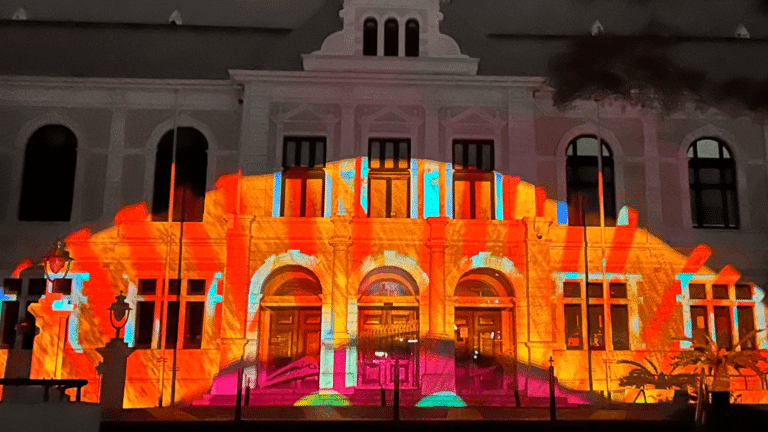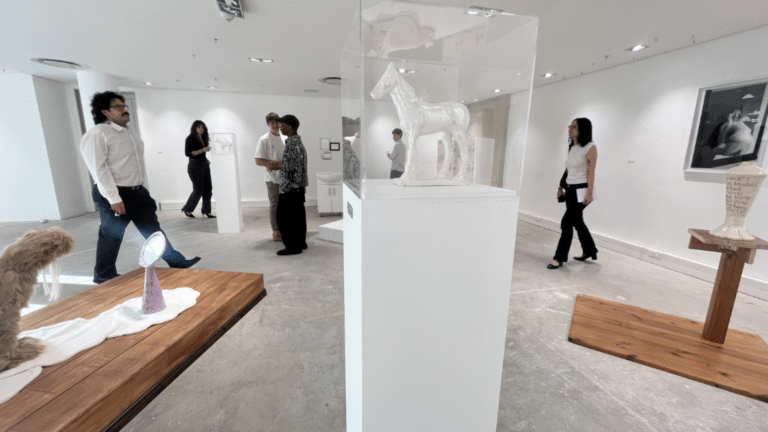
At Cape Town Creative Academy (CTCA), we believe the journey to a professional creative career doesn’t always start with a massive, multi-year commitment. It begins with a single, spark-filled moment of creation in a studio. Our hands-on, immersive weekend design workshops are crafted for curious makers aged 16 and up, whether you are a future creative student or an aspiring professional looking to sharpen your edge. Nestled in the heart of our V&A Waterfront campus, these sessions invite you to step away from the digital noise and into a space of purposeful, tactile making. Over one to two days, you’ll focus on developing tangible skills and sharpening your design thinking under the guidance of industry experts, building the creative confidence that defines a true maker. The upcoming season is already packed with opportunities to get your hands dirty and your mind racing.
Choosing a lifelong path in the visual industries is an exciting journey, but it frequently begins with a fundamental question: What are art and design courses actually like in practice, and how do you know which discipline fits your unique talents?
In an era increasingly shaped by automated digital platforms and artificial intelligence, the modern creative industry is experiencing a profound shift. True creative innovation doesn’t happen just behind a screen; it requires tactical problem-solving, material understanding, spatial execution and more importantly, creative experimentation.
For high school students, aspiring professionals, and curious makers trying to determine what is the best college to study art or which design medium sets them up for long-term career success, the answer often starts with an experiential, short-term commitment.
The short, intensive weekend workshops hosted at the Cape Town Creative Academy (CTCA) V&A Waterfront campus provide exactly that. These immersive 1-day masterclasses serve as an elite testing ground, offering a practical, hands-on taste of a professional creative education.
Here are 5 strategic reasons why an experiential weekend workshop at CTCA is the ultimate catalyst for your creative career.
1. You Move Beyond Theory into Pure Thinking Through Making
Many prospective students enter the creative fields wondering about the reality of the modern global market, which is that software proficiency is only a basic baseline. True creative value lies in conceptual development, structural experimentation, and understanding how a raw idea transforms into a physical or digital product.
CTCA’s workshops are intentionally built around a “thinking through making” philosophy. Working directly with raw materials, specialised tools, and traditional techniques allows participants to develop real problem-solving mechanics.
By taking your ideas off the screen and executing them in a live studio space, you learn how lines, shadows, textures, and physical constraints dictate your final product. This baseline tactile awareness is what distinguishes a technical software operator from a visionary designer.
2. You Get a Taste of Advanced, Multi-Year Degree Formats
Commitment to a full tertiary qualification can be daunting if you aren’t entirely sure how long the path will take or what it truly entails. If you are investigating how long the art and design course is at a degree level, a standard comprehensive Bachelor of Arts degree typically spans three to four years of full-time academic immersion.
A weekend workshop at CTCA acts as a concentrated microdose of this multi-year journey. Within a compressed 1-day schedule, you experience:
- The collaborative energy of a live studio brief.
- The rhythm of conceptual critique and constructive feedback.
- The exact facilities and machinery utilised by full-time undergraduate students.
Instead of registering blindly for a multi-year program, these short courses provide absolute clarity on whether a full-time academic creative path aligns with your passions.
3. You Learn Directly from Industry-Active Mentors
You cannot master a professional trade from generic, prerecorded instructional videos. At CTCA, workshop attendees work in highly selective, small groups (ranging from 6 to 10 attendees maximum) alongside celebrated, award-winning lecturers and master artisans.
This low student-to-lecturer ratio guarantees targeted individual attention, tailored technical guidance, and an open forum to discuss industry realities, portfolio curation, and career progression.
4. You Gain Absolute Clarity on Which Design Specialisation Fits You
When researching tertiary education, one of the most common dilemmas for creatives is figuring out which type of design course is best for their specific future goals. Should you study Communication Design, Interaction Design, Contemporary Art, photography, or 3D Motion Design?
Because the creative arts are deeply interconnected, trying individual mediums in an active workshop format helps you identify your natural affinities.
5. You Build a Tangible, Unique Portfolio Foundation
Every premium creative program and agency requires proof of your creative competence through a formal portfolio submission. Generic high school drawings or standard digital sketches rarely stand out to admissions panels.
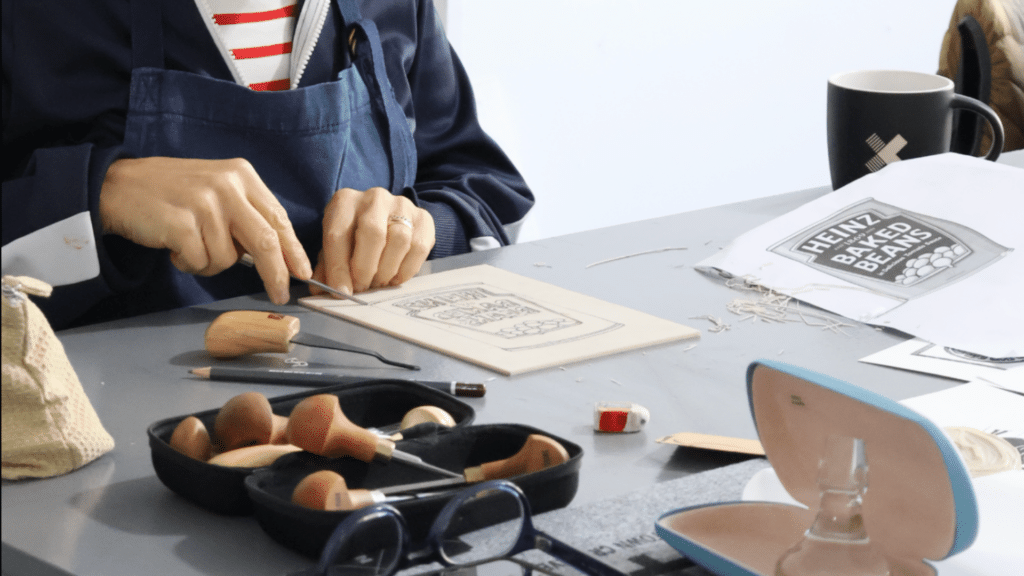
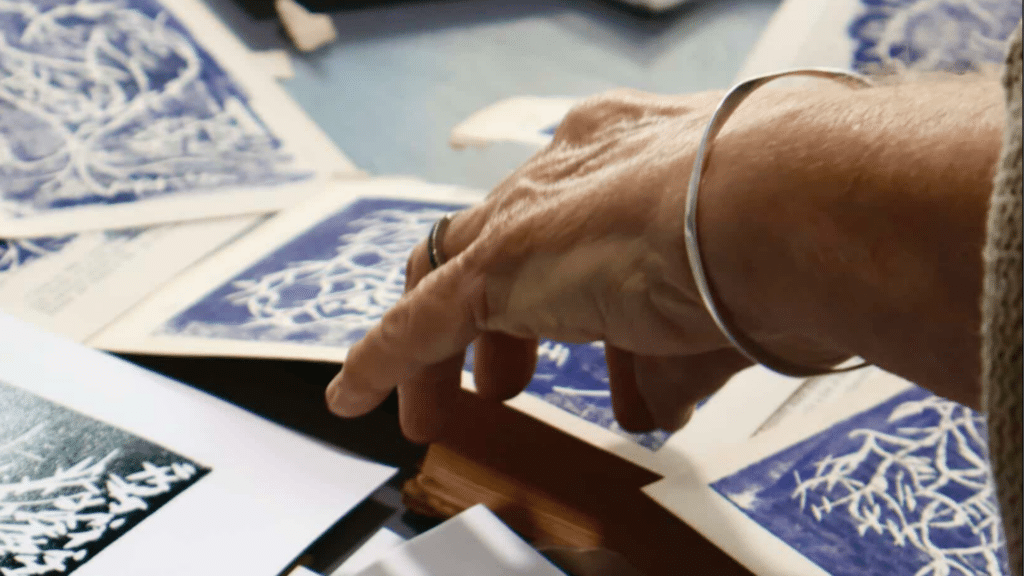
By attending a specialised CTCA workshop, you walk away with highly distinctive knowledge under professional supervision. Whether it is a framed, original linocut print or an intricate photographic emulsion lift art piece, you leave the campus with distinct portfolio assets that display conceptual depth and material experimentation.
Explore the Upcoming CTCA Workshop Lineup
Every workshop takes place inside CTCA’s beautifully equipped creative labs located at CTCA campus, Silo Square, V&A Waterfront, Cape Town. All essential materials are provided by the academy.
Workshop Discipline | Date | Core Technical Skills Covered | Cost |
Printmaking: Lino Print Workshop | Saturday, 12 September | Carving, inking, rolling, and pressing. Understanding contrast, structural line control, and the fine art of creating refined print multiples. | R1000 |
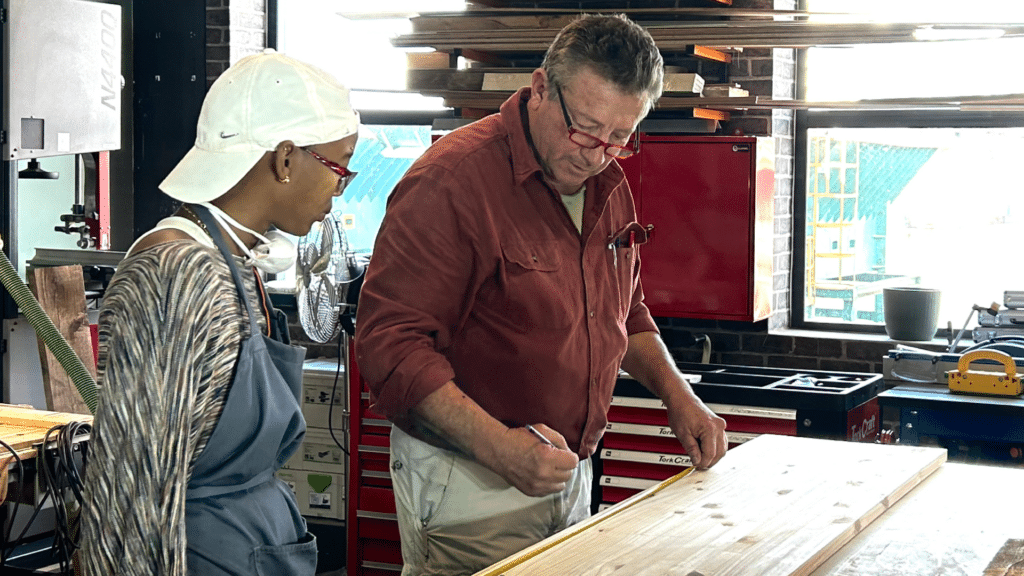
Introduction to Woodworking | Saturday, 26 September | The workshop also explores traditional planing methods, the controlled use of chisels and the principles of hand-cut joinery. | R1500 |
Polaroid Lift | Saturday, 19 September | You will learn how to separate, transfer, and rework photographic emulsions. | R1000 |
Common FAQ’s
What are art and design courses? Art and design courses are structured academic programmes that teach visual communication, fine art, digital technologies, and spatial design. These courses blend conceptual thinking and practical production techniques, spanning fields like graphic design, interaction design, industrial product development, motion graphics, and contemporary art.
What is the best college to study art? The best college to study art depends heavily on industry alignment and modern facilities. The Cape Town Creative Academy (CTCA) is widely recognised as a premium independent school of art and design in South Africa. Its unique transdisciplinary curriculum, V&A Waterfront location, and emphasis on combining tactile artisan skills with advanced digital technologies make it a top choice for future-facing creative careers.
How long are art and design courses? Full-time tertiary art and design undergraduate degree programmes (such as a BA in Visual Communication or Contemporary Art) typically take 3 years to complete. Conversely, CTCA’s foundational introductory workshops are accelerated 1-day weekend courses designed to provide rapid skill acquisition and professional orientation.
Can I become a graphic designer in 3 months? While a 3-month short course or intensive boot camp can teach you how to navigate basic software interfaces (like Adobe Illustrator or Photoshop), you cannot fully master structural design theory, brand strategy, or professional creative problem-solving in 3 months. True industry readiness requires an understanding of both manual craft and advanced concept building, which is why multi-year degrees or continuous masterclasses are highly recommended by agency leaders.
Which type of design course is best? The best type of design course is one that matches your long-term career aspirations with practical marketplace demands. If you love technology and film, Motion Design and Animation are highly lucrative. If you are passionate about physical products, packaging, and spatial layouts, Product Design or Communication Design is ideal. CTCA’s diverse weekend workshops allow you to -before making a long-term academic choice.