Cape Town’s historic Company’s Garden was transformed into a living canvas of light, creativity, and imagination. For the Cape Town Creative Academy (CTCA), Lumenocity was a milestone event to showcase the talent, technical innovation, and collaborative spirit of our students.
CTCA’s transdisciplinary approach caught the attention of festival organisers, reinforcing its reputation for those deciding what the best college to study art truly is when looking for future-ready, industry-aligned tertiary education.
Connecting Academy and Industry
The conversation began in early January, when Lumenocity founder Gareth Hadden visited the CTCA campus. Inspired by the quality and ambition of the student work on display, Hadden recognised that CTCA stood out among the art and design universities Cape Town boasts for its rigorous curriculum. For students researching “where can you study art in South Africa”, this collaboration highlighted how local institutions are leading global design trends.
It is no surprise that this level of innovation is happening here in Cape Town. When global creative minds ask which African city is famous for art and design. Within this vibrant ecosystem, CTCA has consistently established itself among the best colleges in Cape Town for specialised, cutting-edge creative degrees.
Lumenocity’s vision aligns strongly with CTCA’s own commitment to creativity, experimentation, and professional practice.
We managed to talk to Gareth after Lumenocity and asked him what stood out for him in the execution of the CTCA student works: “What impressed me most was that the students delivered, and they delivered well. There was a genuine sense of passion and commitment throughout the process, from the lecturers through to the students. Everyone seemed eager to get involved and make the most of the opportunity”.
CTCA students contributed two major, multidisciplinary works to the festival:
1. Coral garden (product development lab)
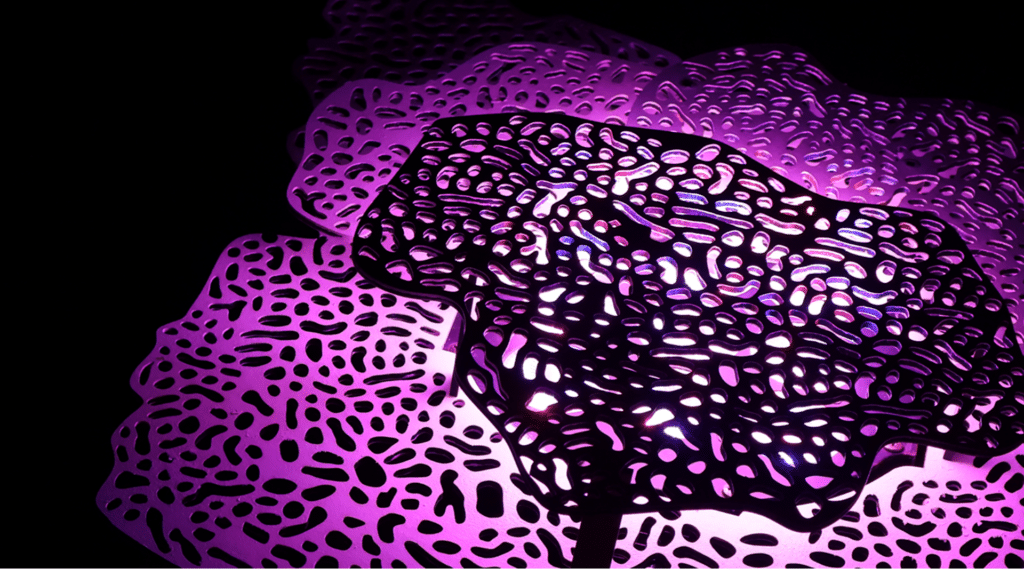
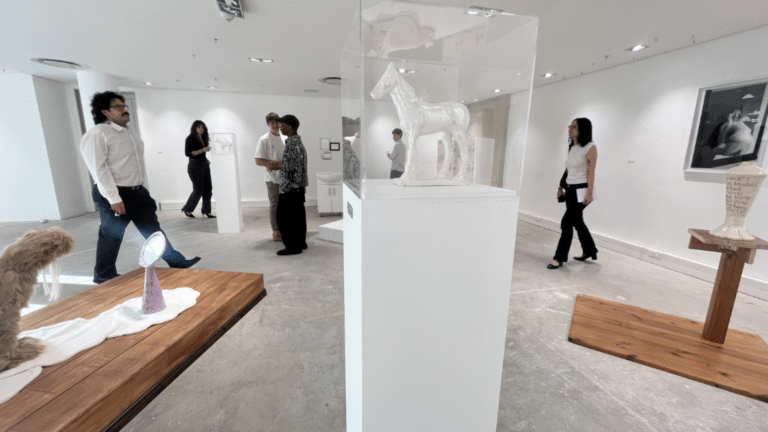
Coral Garden, designed and curated by third-year students in the Product Development Lab elective, invited festival goers into a luminous environment inspired by underwater ecologies.
- The process: The project blended traditional hand-sculpting in foam, paper, and mesh with precision digital processes like laser cutting and 3D printing.
- The impact: It demonstrated how tangible product design can move beyond the studio and successfully function in an outdoor, public cultural space.
Gareth continues: “I did get a lot of positive comments about the coral garden, and I loved the simplicity of it. I wish I could have given the students more time and potentially more resources, but they understood the brief, and they delivered. The conceptual thinking was great”.
2. Visual conversations (motion design)
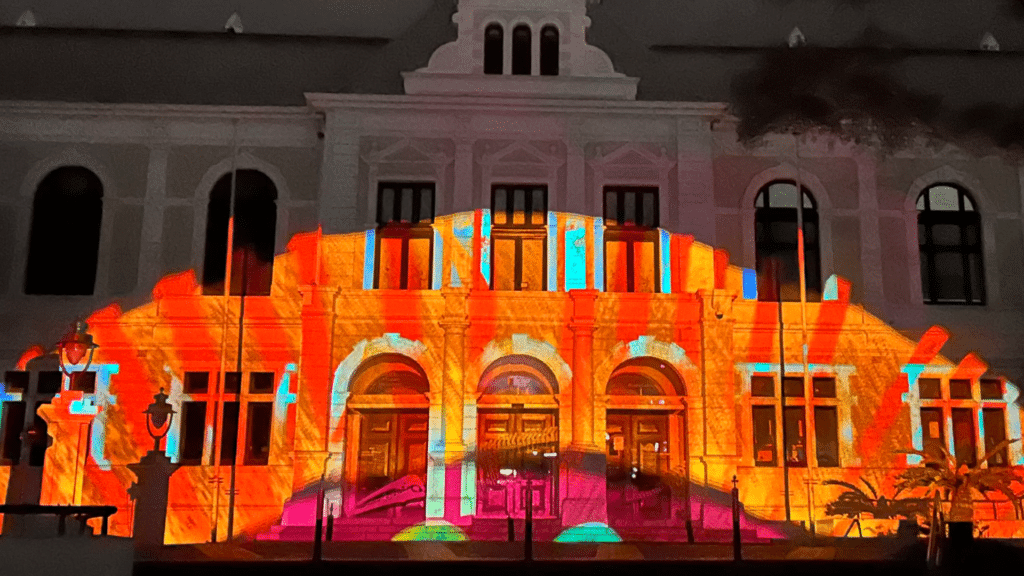
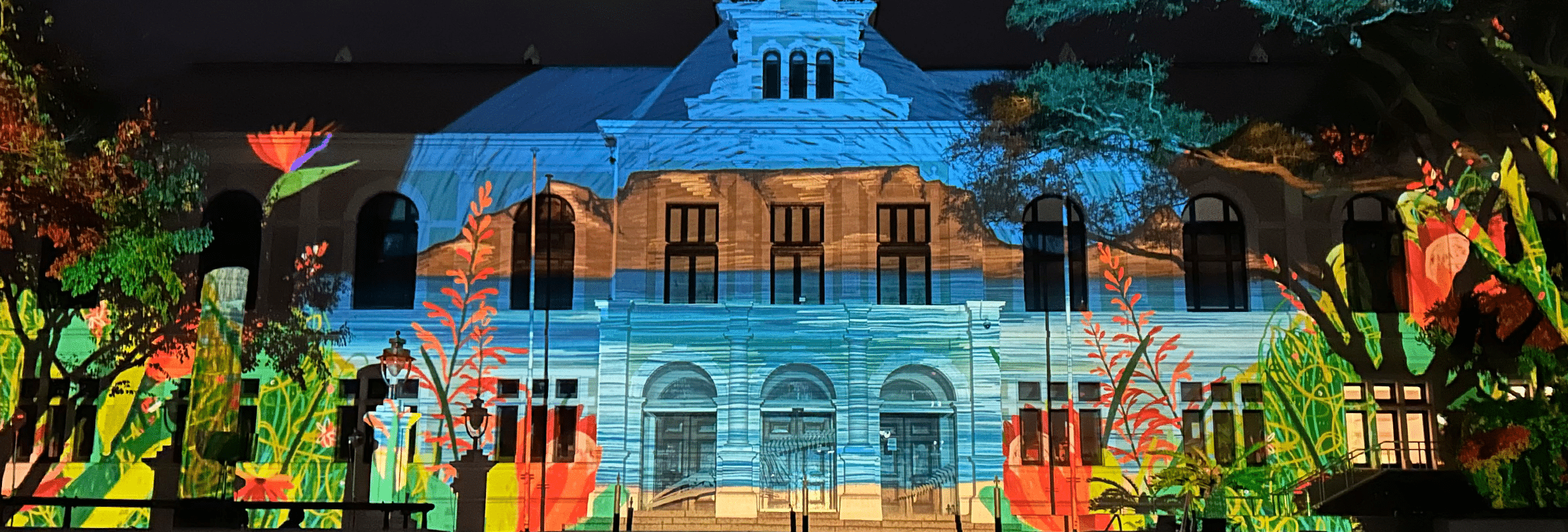
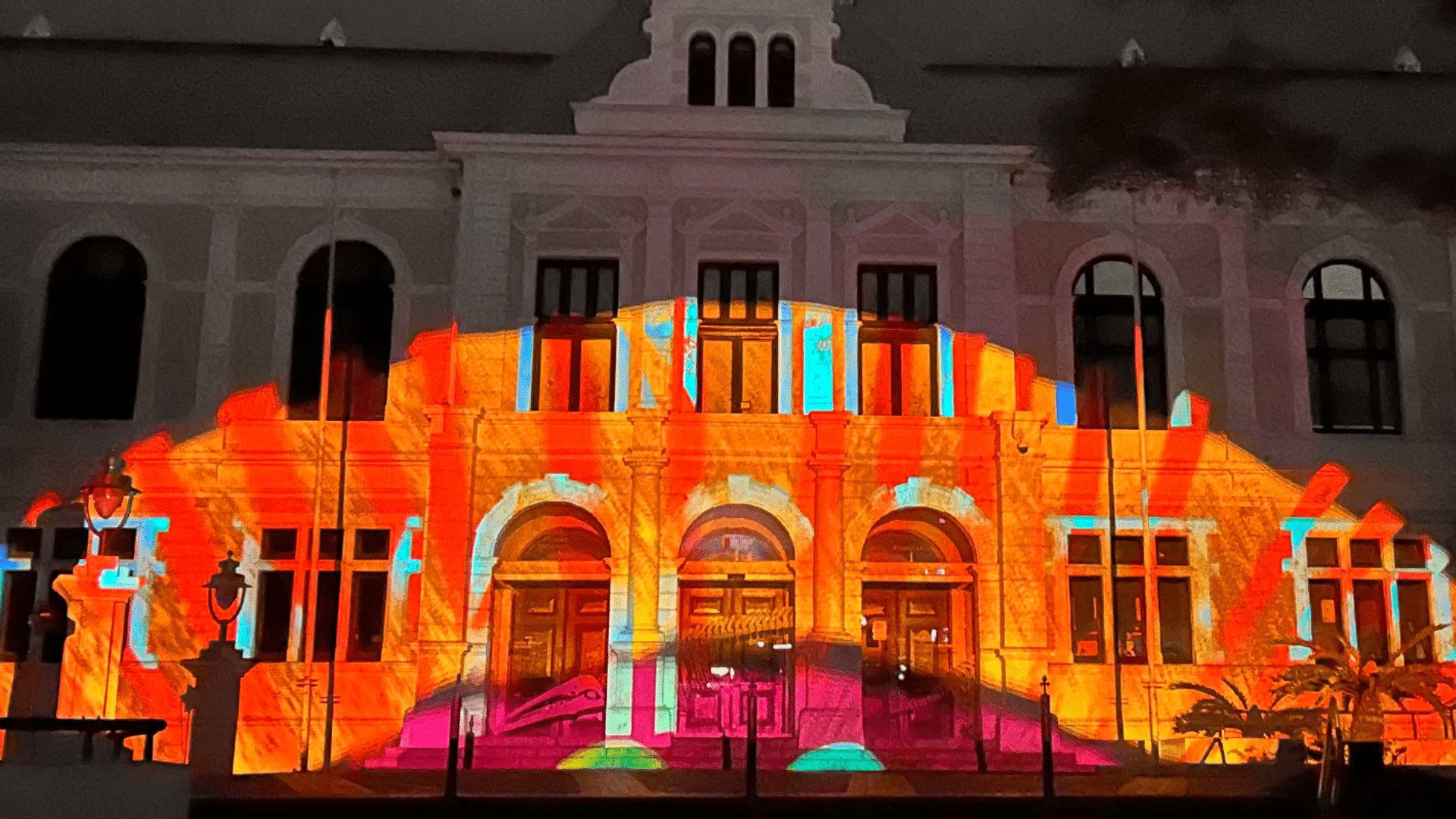
Visual Conversations was an immersive animated tapestry projected directly onto the historic façade of the Iziko South African Museum.
- The craft: A collaborative team of second- and third-year Motion design students created the animation for the projection mapping.
- The impact: The work used projection mapping and site-specific animation to turn a static building into a moving surface of rhythm, dialogue, and community storytelling.
When discussing the readiness of CTCA students, Gareth said, “The Motion Design team was spot on. They are definitely ready. They delivered, and they were really good. They did not come back with a ton of problems; they handed over the drive and said, ‘Press play and make it look epic’. That is exactly what we need”.
Inside the Creator Experience
To understand the true impact of bridging classroom learning with live festival environments, we spoke to the students and faculty who brought these installations to life.
Riley Mahaffey (3rd Year Motion Design): “At the beginning of the year, the idea that something created on my humble laptop could be projected onto the face of a massive building in the heart of Cape Town felt so far-fetched. Standing there and watching visuals that I had helped create projected onto the façade of the Iziko South African Museum was a surreal and unforgettable moment.”
Thea-Fleur Van der Toorn (3rd Year Motion Design): “It’s no longer only about ‘does this look good on a screen?’, rather it’s a continuous check-in for whether it fits the building and functions at a large scale. This extra-layered process was a challenge, but also a great opportunity for growth and learning.”
Ready to start? Build your degree here
Kai Orion Gerber (2nd Year Motion Design): “I’ve never worked on a project before that I got to see come to life off the screen. Hearing the audience’s excited reactions was quite surreal. The energy during our weekly meetings was electric, and I found myself constantly pushing to make something better as we saw one another’s progress.”
Nia-Anne Morgan (2nd Year Motion Design): “It brought me so much insight into working on a collaborative project. Being part of a team of other great animators was amazing for my own confidence and skill. Lumenocity was extremely helpful and accommodated us so well.”
Gareth closed off, saying, “I believe in what CTCA is doing, and I think the institution is doing an amazing job. If I can play a part in helping or inspiring students, that genuinely excites me. To give students a proper real-world problem to solve, and for them to go and speak to other collaborators and show their work on a meaningful scale, is important.
One of the most significant advantages of the CTCA pathway is the clear trajectory for postgraduate growth.
For students who excel in their initial three years, the transition into a visual communication honours degree or a contemporary art honours degree is seamless.
This postgraduate articulation allows you to specialise further, conducting deep-dive research into the trends shaping 2027 and beyond, while maintaining your connection to our world-class Silo District facilities.