


design electives
choose your own adventure
Want to see where electives fit in to your study plan? Explore our degrees or use the degree builder to compose and save your ideal study plan at the Cape Town Creative Academy.
animation
course objectives
understanding and applying fundamental principles of animation and effective application of design and animation principles to enhance storytelling and communication
conceptualisation, planning, and presenting a pre-production pitch and the ideation and planning of animation sequences in accordance with creative briefs
understanding and applying fundamental principles of animation and effective application of design and animation principles to enhance storytelling and communication
software proficiency, specifically Adobe After Effects for compositing and animation
creation of audiovisual media that extend an existing visual identity for marketing and brand-building
production of unique animation projects that integrate skills in design, typography, layout, illustration, photography, sound production, filmmaking, and editing
stories


product development lab
Elective options for Bachelor of Arts in Communication Design, Motion Design and Interaction Design
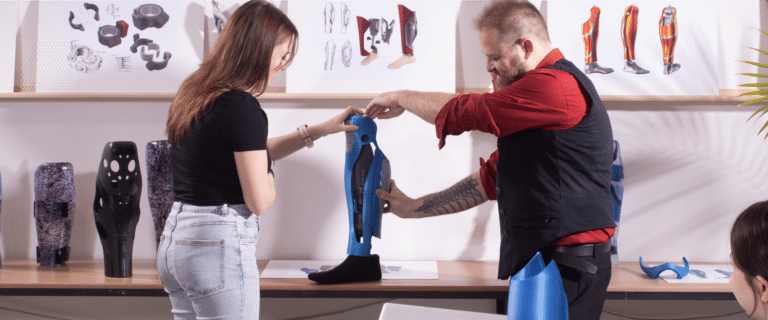
In this multidisciplinary elective, you will engage in hands-on 3D ideation, exploring various media, tools, and techniques to create functional and purposeful 3D outcomes. The course covers traditional skills like woodworking, mould making and casting using silicones and resins, CAD software for design, planning and product rendering, the 3D printing process and post processing. Emphasising design thinking, iterative prototyping, user-centred design, and sustainability, this elective prepares you to transform your creative ideas into functional products in a variety of fields.
Note: Makers Lab is now Product Development Lab. Some website references may still use the previous name.
course objectives
creative problem-solving when creating aesthetic items and objects
formulation and implementation of creative ideas, products, processes, and methods for improving and adding value to new or existing products
ideation, implementation, and impacting productivity, sustainability and customer satisfaction
3D-illustration techniques and workflow, Rhino 3D
creating physical objects through interpretation and translation of concepts
illustration
Elective options for Bachelor of Arts in Communication Design, Interaction Design, Motion Design
course objectives
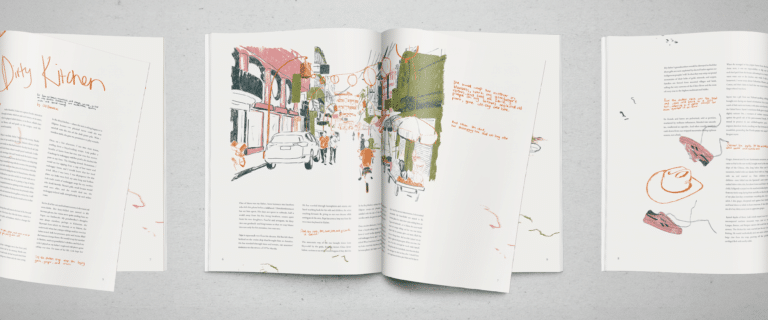
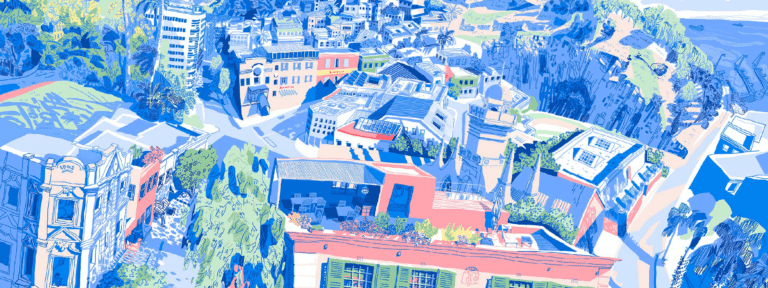
developing engaging illustrative/stylised observational drawings using a variety of mediums, styles, and techniques
producing refined illustrations in which the selection of medium and technique supports the conceptual intention of the content of the illustration
developing engaging visual responses to a narrative that are informative, relevant, conceptual and in harmony with the editorial
working with contemporary approaches to illustration
layout and composition solutions to complement text with illustration
professional presentation of work in accordance with creative briefs
stories

photography
course objectives
understanding DSLR cameras, including its anatomy, functionality, and effective use
proficiency in the theory of light, in relation to natural lighting conditions as well as artificial lighting in a studio environment
implementation of photographic principles, including focus, depth of field, composition, and framing
producing technically proficient photographs in accordance with creative briefs
fluency in genres of photography, including exterior and interior architectural photography, commercial photography, product photography, portraiture, fashion photography and so on
technical proficiency in post-production and editing software like Adobe Photoshop
concept development, ideation, art-direction, and set styling skills
stories
creative coding
At the intersection of art and programming, Creative Coding facilitates the creation, design, and animation of visuals and text through coding, an approach that promotes the discovery of innovative techniques for generating new visuals. Suited for those intrigued by the fusion of motion graphics with coding, this elective revolves around a cycle of exploration, iteration, reflection, and discovery. It positions code as a primary tool for crafting diverse digital creations.
course objectives
nuanced conceptualisation of the bridge between design and development in front-end development
understanding and application of foundational principles of HTML and CSS
proficiency in visual coding software such as Webflow for design functionality
aptitude for functional and aesthetic web design using UI design software such as Figma
consistent and purposefulness in design as well as organisational approaches to class names, type hierarchy, and design layout
construction of reusable components for efficient web development
enhancing user interaction and engagement through CSS and third party extensions for animation
responsive design principles ensuring effective rendering across viewport sizes
responsible approach to accessibility standards ensuring usability for users with disabilities
custom coding to enhance and extend functionality of pages generated by low-code/no-code design platforms
stories
3D visualisation
Elective options for Bachelor of Arts in Communication Design, Interaction Design, Motion Design
course objectives
utilisation of Maya’s tools and procedures for polygonal modelling
proficiency in applying Materials and Textures, creating UV maps and using the UV editor and the effective use of the Hypershade editor
animation using Keyframe techniques, Motion Paths and Pathflow Objects and Maya’s Mash system to create versatile ‘motion design’ style animations
utilising the Arnold Renderer to create photo-realistic renders
skills necessary for effectively using Adobe After Effects in the compositing process
techniques and principles related to full body character rigging
stories



complete your study plan